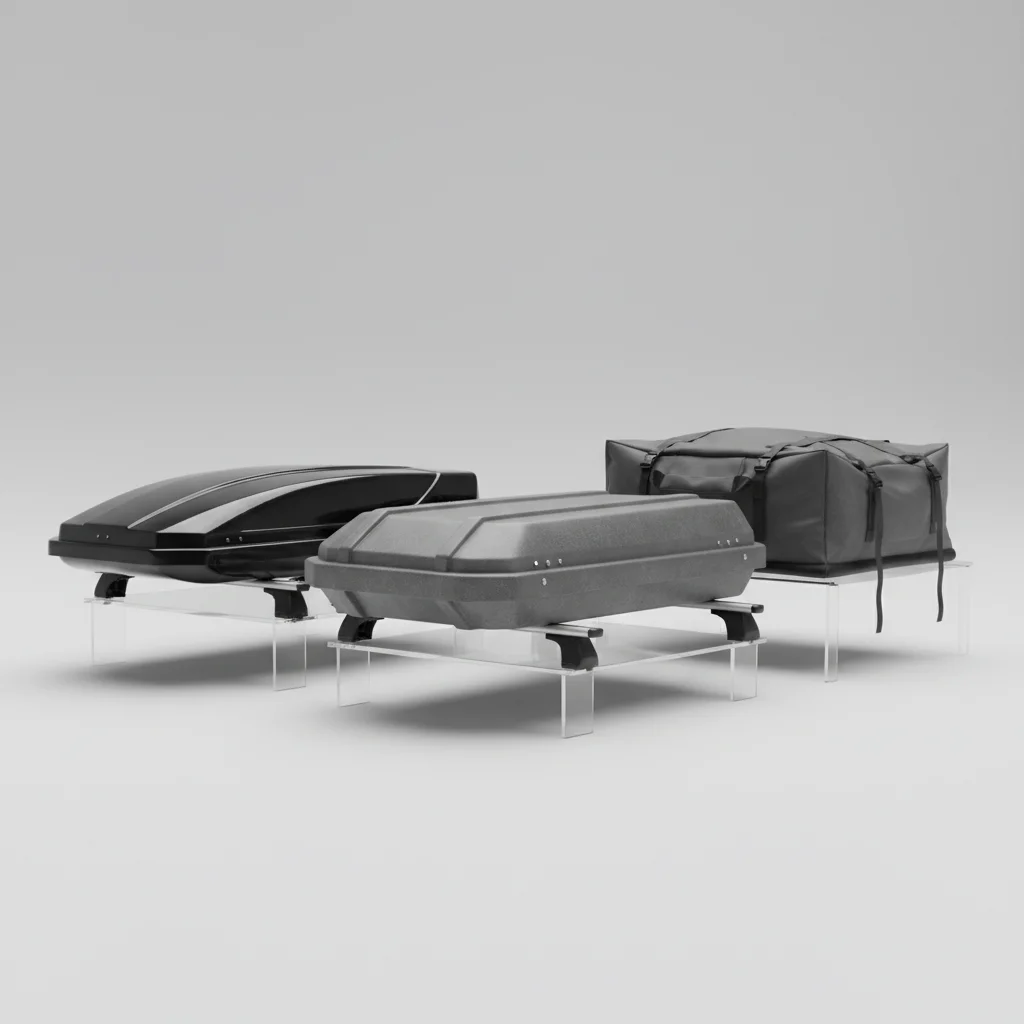
Understanding the differences in roof box materials is crucial for selecting the right one for your needs. The primary materials used are ABS plastic, fiberglass, and a combination of both, each offering distinct advantages in terms of durability, weight, and cost. For instance, ABS plastic is generally more impact-resistant and flexible, making it a popular choice for many users due to its balance of performance and affordability.
ABS Plastic Roof Boxes: Durability and Flexibility
Acrylonitrile Butadiene Styrene (ABS) plastic is a thermoplastic polymer widely used in roof box manufacturing. Its key advantages include excellent impact resistance, good flexibility, and a relatively lightweight profile. This makes ABS boxes less prone to cracking from minor impacts or temperature fluctuations. They are also easier to mold into aerodynamic shapes, contributing to reduced wind noise and improved fuel efficiency. However, ABS can be susceptible to UV degradation over long periods if not properly maintained or treated with UV-resistant coatings.
Many entry-level and mid-range roof boxes are constructed from ABS, offering a robust solution for general travel and occasional use. They are often more affordable than their fiberglass counterparts, making them an accessible option for a wide range of consumers.
Fiberglass Roof Boxes: Strength and Premium Finish
Fiberglass roof boxes, also known as glass-reinforced plastic (GRP), are renowned for their superior rigidity, strength, and often a more premium, glossy finish. Fiberglass allows for thinner walls while maintaining structural integrity, which can sometimes lead to a slightly lighter box for its size compared to some ABS models. The material is also highly resistant to UV rays and extreme temperatures, making it a durable choice for frequent and long-term use in varying climates. The manufacturing process for fiberglass is more labor-intensive, which typically translates to a higher price point.
These boxes are often favored by enthusiasts who prioritize aesthetics, maximum durability, and a long lifespan. They are less flexible than ABS, meaning they might be more prone to cracking under severe, sharp impacts, though they resist general wear and tear exceptionally well.
Hybrid and Composite Materials: The Best of Both Worlds?
|
Our Picks for the Best Roof Box in 2026
As an Amazon Associate I earn from qualifying purchases.
|
||
| Num | Product | Action |
|---|---|---|
| 1 | Sailnovo Rooftop Cargo Carrier Roof Bag, 20 Cubic feet Waterproof Roof Cargo Carrier fit car with/Without Luggage Rack - Vehicle Soft Shell Roof Cargo Box with Tie-Down Strap, Safety Hook |

|
| 2 | GarveeLife 46" x 36" Universal Roof Rack Cargo Carrier Basket, 200 Lbs Capacity Rooftop Cargo Rack, Car Top Luggage Holder Basket Heavy Duty for SUVs, Trucks, Vehicles |
|
| 3 | Pelican Cargo Cases |
|
| 4 | iBirdie Roof Rack Cargo Carrier 15.3 Cubic Feet, Soft-Shell Rooftop Cargo Box, Waterproof Heavy Duty 1200D for Car with/Without Roof Rack, Includes Anti-Slip Mat, Door Hooks, 46x34x17 inches |
|
| 5 | Car Rooftop Cargo Carrier Bag, 21 Cubic Feet 100% Waterproof Heavy Duty 840D Car Roof Bag for All Vehicle with/Without Racks - Anti-Slip Mat, 6 Door Hooks, Storage Bags, 2 Extra Straps, Luggage Lock |
|
| 6 | iBirdie Roof Rack Cargo Carrier 32.1 Cubic Feet, XXL Soft-Shell Rooftop Cargo Box, Waterproof Heavy Duty 1200D for Car with/Without Roof Rack, Includes Anti-Slip Mat, Door Hooks, 60x37x25 inches |
|
| 7 | FIVKLEMNZ 21 Cubic Car Rooftop Cargo Carrier Roof Bag Waterproof for All Top of Vehicle with/Without Rack Includes Topper Anti-Slip Mat + Reinforced Straps + 6 Door Hooks + Luggage Lock |
|
| 8 | Asinking Car Rooftop Cargo Carrier Bag - 100% Waterproof Heavy Duty Car Roof Luggage Carrier 21 Cubic Feet, Fits All Vehicles with/Without Roof Rack - Easy Install & Triply Reinforced for Secure Use |
|
| 9 | MeeFar Roof Rack Carrier Basket Universal Rooftop 51" X 36" X 5" + Waterproof Bag 15 Cubic Feet (44" 34" 17"), and Cargo Net with Attachment Hooks, Ratchet Straps |
|
| 10 | MIDABAO 20 Cubic Waterproof Duty Car Roof Top Carrier-Car Cargo Roof Top Bag, Waterproof & Coated Zippers includes Anti Slip Mat with or without Racks (20 Cubic Feet) |
|
Some manufacturers utilize hybrid or composite materials, combining the benefits of ABS and fiberglass, or incorporating other polymers to enhance specific properties. For example, a multi-layer ABS construction might include a UV-resistant top layer or a reinforced base for added rigidity. These innovations aim to offer a balance of impact resistance, strength, and aesthetic appeal, often at a mid-to-high price point.
- ABS Plastic: Excellent impact resistance, good flexibility, lighter weight, more affordable.
- Fiberglass: Superior rigidity, high strength, premium finish, excellent UV and temperature resistance, higher cost.
- Hybrid Materials: A blend of properties, often aiming for enhanced durability and specific performance characteristics.
- Polycarbonate: Extremely tough and impact-resistant, often used in high-end models for added security.
- HDPE (High-Density Polyethylene): Durable, flexible, and often used in soft-shell or collapsible cargo bags for its resilience.
Choosing Your Material: Factors to Consider
When deciding between materials, consider your primary use case, budget, and desired lifespan. For occasional trips and general family use, an ABS plastic roof box offers excellent value and performance. If you’re a frequent traveler, an outdoor enthusiast, or simply desire a more robust and aesthetically pleasing solution, a fiberglass or high-quality composite box might be a better investment. Always check for UV protection and warranty information, regardless of the material chosen, to ensure long-term satisfaction.
Get our weekly buyer guide
Practical specs, not advice. Unsubscribe anytime.

I ended up getting a fiberglass roof box for my ski gear, and it’s been pretty solid. The rigidity is great for protecting my expensive skis, and it feels really secure on top of the car. My only minor gripe is that it’s a bit heavier than I expected, making it a two-person job to get it on and off the roof. Still, for the protection it offers, it’s worth it.
I picked up a budget-friendly ABS plastic box for a road trip, and while it got the job done, I did notice a bit more wind noise than I’d hoped for. It’s definitely flexible and seems durable enough for occasional use, but I think next time I might invest in something with a more aerodynamic design, even if it costs a little more. It’s fine for the price, just not perfect.
We needed extra space for our family vacations, and understanding the different materials really helped us choose. We went with a hybrid ABS and fiberglass option, and it’s been fantastic. It feels really sturdy but isn’t overly heavy, which is a great balance. We’ve packed it full of luggage and camping gear without any issues, and it looks great on our SUV.
I was really torn between a few different roof boxes, but after reading up on the material differences, I decided to go with an ABS plastic model. The impact resistance was a huge selling point for me, especially since I tend to drive on some rougher roads for camping trips. It’s held up perfectly through a few long hauls already, and I’m super happy with the purchase.