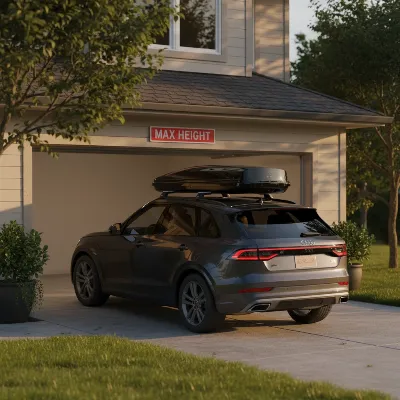
Embarking on an overlanding or off-roading adventure often means packing a significant amount of gear, from recovery equipment and camping essentials to provisions and personal items. While your vehicle’s interior offers some space, it quickly becomes overwhelmed, limiting passenger comfort and essential access. This is where a robust roof box transforms your journey, providing secure, weather-protected storage that frees up vital cabin space and keeps your most critical equipment accessible yet safe from the elements. This guide, drawing on over a decade of hands-on experience with diverse roof box models, will navigate the complexities of choosing the perfect roof box to withstand the demands of the wild, ensuring your gear is secure whether you’re tackling rocky trails or traversing dusty landscapes.
What is a Roof Box? Why You Need One for Overlanding?
A roof box, in the context of overlanding and off-roading, is a specialized cargo container designed to be securely mounted on your vehicle’s roof rack or platform. Unlike standard aerodynamic roof boxes primarily intended for highway speeds and ski trips, overlanding-specific roof boxes are engineered for extreme durability, weather resistance, and robust attachment points to handle the rigors of challenging terrain.
You need a roof box for overlanding primarily to expand your vehicle’s cargo capacity while protecting your gear from harsh outdoor conditions. On extended trips to remote locations, storage space is a premium. A dedicated roof box allows you to carry bulkier items like recovery boards, extra fuel containers, camping chairs, or even dusty tools outside the cabin, keeping your interior clean and organized. This not only enhances passenger comfort but also improves safety by keeping hazardous or heavy items securely stowed. Beyond just space, these boxes offer superior protection against dust, water, mud, and UV radiation, ensuring your essential equipment remains dry, clean, and functional, no matter how wild the trail gets.
Types of Roof Boxes Popular on the Market for Off-Roading
When it comes to selecting a roof box for overlanding and off-roading, the market presents several categories, each with distinct advantages and disadvantages suited to different adventure styles and demands.
Roof Box by Material: Durability Meets Design
The material of your roof box is paramount, as it directly impacts its ability to withstand impacts, extreme temperatures, and environmental aggressors common in off-road scenarios.
- Hard Plastic (Polypropylene, Roto-molded HDPE): Many purpose-built overlanding cases fall into this category. Brands like Pelican Cargo and Front Runner Wolf Pack Pro utilize high-impact resistant plastics, often with reinforced designs and robust latching systems. These are excellent for resisting blunt force, abrasion, and offer very good dust and water sealing thanks to rubber gaskets and precision molding. They are generally lighter than metal but can still be very stiff. Their construction typically allows for stacking and secure lashing.
- Aluminum: For the ultimate in durability and security, aluminum roof boxes from brands like Intrepid Camp Gear, AluBox, or Zarges are a top choice. These cases are incredibly strong, offering superior protection against punctures, crushing, and theft. They are often seam-welded and feature strong locking mechanisms, making them ideal for carrying valuable or fragile equipment. Aluminum boxes are also highly resistant to UV degradation and corrosion, although they can be heavier and potentially more expensive than plastic alternatives. Their sleek, industrial aesthetic also appeals to many overlanders.
- Soft-Sided/Hybrid: While less common as primary “roof boxes” for heavy external mounting, some soft-sided cargo solutions, like the Step 22 Stingray Flat Box, offer flexibility. Made from rugged, water-resistant fabrics like TPU-coated polyester, they are lighter, collapsible when empty, and excellent for irregularly shaped items. They might not offer the same impact protection or security as hard cases but can be valuable for supplementary storage or for items that require less rigid protection.
|
Our Picks for the Best Roof Box in 2026
As an Amazon Associate I earn from qualifying purchases.
|
||
| Num | Product | Action |
|---|---|---|
| 1 | Asinking Car Rooftop Cargo Carrier Bag - 100% Waterproof Heavy Duty Car Roof Luggage Carrier 21 Cubic Feet, Fits All Vehicles with/Without Roof Rack - Easy Install & Triply Reinforced for Secure Use |

|
| 2 | FIVKLEMNZ 21 Cubic Car Rooftop Cargo Carrier Roof Bag Waterproof for All Top of Vehicle with/Without Rack Includes Topper Anti-Slip Mat + Reinforced Straps + 6 Door Hooks + Luggage Lock |
|
| 3 | MeeFar Roof Rack Carrier Basket Universal Rooftop 51" X 36" X 5" + Waterproof Bag 15 Cubic Feet (44" 34" 17"), and Cargo Net with Attachment Hooks, Ratchet Straps |
|
| 4 | iBirdie Roof Rack Cargo Carrier 32.1 Cubic Feet, XXL Soft-Shell Rooftop Cargo Box, Waterproof Heavy Duty 1200D for Car with/Without Roof Rack, Includes Anti-Slip Mat, Door Hooks, 60x37x25 inches |
|
| 5 | MIDABAO 20 Cubic Waterproof Duty Car Roof Top Carrier-Car Cargo Roof Top Bag, Waterproof & Coated Zippers includes Anti Slip Mat with or without Racks (20 Cubic Feet) |
|
| 6 | Car Rooftop Cargo Carrier Bag, 21 Cubic Feet 100% Waterproof Heavy Duty 840D Car Roof Bag for All Vehicle with/Without Racks - Anti-Slip Mat, 6 Door Hooks, Storage Bags, 2 Extra Straps, Luggage Lock |
|
| 7 | Sailnovo Rooftop Cargo Carrier Roof Bag, 20 Cubic feet Waterproof Roof Cargo Carrier fit car with/Without Luggage Rack - Vehicle Soft Shell Roof Cargo Box with Tie-Down Strap, Safety Hook |
|
| 8 | Pelican Cargo Cases |
|
| 9 | GarveeLife 46" x 36" Universal Roof Rack Cargo Carrier Basket, 200 Lbs Capacity Rooftop Cargo Rack, Car Top Luggage Holder Basket Heavy Duty for SUVs, Trucks, Vehicles |
|
| 10 | iBirdie Roof Rack Cargo Carrier 15.3 Cubic Feet, Soft-Shell Rooftop Cargo Box, Waterproof Heavy Duty 1200D for Car with/Without Roof Rack, Includes Anti-Slip Mat, Door Hooks, 46x34x17 inches |
|
Roof Box by Size and Capacity: Matching Your Gear to Your Vehicle
The size and capacity of your roof box should align with the amount and type of gear you intend to carry, as well as the dimensions and load-bearing capacity of your vehicle and roof rack.
- Modular Systems: Many overlanding-focused brands offer modular hard cases in various sizes that can be mixed and matched on a roof platform. This allows for greater flexibility in organizing different types of gear (e.g., one box for recovery, another for cooking). Smaller, multiple boxes can also be easier to handle and load than one massive unit.
- Traditional Large Boxes: While some larger, more aerodynamic roof boxes (like those from Thule or Yakima) are available in significant volumes (14-21 cubic feet), their construction might not be as robust for continuous off-road abuse compared to specialized hard cases. They are better suited if your primary need is volume for bulky, lighter items and your off-roading is less extreme.
- Fitting Your Vehicle: It’s crucial to ensure the box doesn’t impede your rearview mirror visibility, exceed the width of your vehicle, or overhang too much. Always check your vehicle’s and roof rack’s dynamic and static load capacities before loading. A lower-profile design, even if not fully aerodynamic, can help with clearance on trails.
Roof Box by Style and Design: Functionality Beyond Aesthetics
Beyond materials and size, the design and integrated features of an overlanding roof box significantly contribute to its functionality and user experience.
- Aerodynamics: While traditionally important for highway fuel economy, aerodynamics are less of a primary concern for dedicated off-road boxes due to lower speeds. However, a less bulky design can still reduce wind noise during transit sections and marginally improve fuel efficiency. Some aluminum cases boast a low-profile design to minimize drag.
- Security Features: Robust, integrated locking mechanisms are essential for protecting your valuables, especially when your vehicle is left unattended. Many high-quality boxes feature multiple sturdy latch points and padlock-compatible closures. Yeti, for example, offers multiple lock channels.
- Mounting Systems: Look for secure tie-down points, integrated strap channels, or specific mounting hardware designed to securely fasten the box to a roof rack or platform. Systems that allow for quick attachment and removal are convenient.
- Weatherproofing: Excellent dust and water sealing (often indicated by an IP rating, though not always explicitly stated) is non-negotiable for off-roading. Rubber gaskets around lids are a common feature in top-tier hard cases.
- Accessibility: Features like gas struts on lids (seen in some Roam cases) make opening and closing easier, especially when the box is full. Integrated carry handles are also a plus for portability.
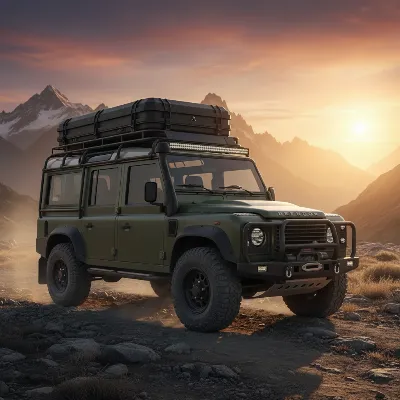 Robust roof box securely mounted on an off-road vehicle's roof rack
Top 5 Best Roof Boxes for Overlanding and Off-Roading
Choosing the right roof box for your overlanding adventures can make all the difference in gear protection and ease of travel. Here’s a comparison of some of the top contenders specifically designed for the rigors of off-road environments.
| Feature | Pelican Cargo Cases (e.g., BX80R/140R) | Front Runner Wolf Pack Pro | Intrepid Camp Gear ITX Series | Roam Adventure Co. Rugged Cases (e.g., 95L) | Yeti LoadOut GoBox (88L) |
|---|---|---|---|---|---|
| Material | Heavy-duty roto-molded polymer | Impact-resistant black polypropylene | High-grade aluminum | Rugged LLDPE (Linear Low-Density Polyethylene) | Ultra-durable proprietary polymer |
| Durability | Extreme impact resistance, crushproof, weather-sealed | Built for African bush, dust/water tight, improved components | Rock-solid, puncture-resistant, weather-sealed, corrosion-proof | High impact strength, UV resistant, watertight | Virtually indestructible, waterproof, dustproof |
| Weatherproofing | Rubber gaskets, IP-rated (or equivalent) for dust/water | Weatherproof, keeps dirt, dust, and water out | Weather-sealed, excellent protection from elements | Automotive-grade gasket, watertight | Defender Material System, tested for extreme conditions |
| Mounting | Tie-down points, various roof rack and truck bed mounts | Integrated strap channels, nests securely, can be lashed | Hard-mounted, modular options, secure attachment | Multiple tie-down points, designed for secure roof rack mounting | AnchorPoint tie-down slots, multiple lock channels |
| Key Features | Integrated carry handles, stackable, multiple sizes, modular system | Nesting design, extra-secure plastic latches, easy labeling | Low-profile, sleek design, modularity, secure locking, internal organization options | Gas strut lid, internal organization, lockable latches | Super strong latches, interior organization (dividers, caddy), BearFoot Non-Slip Feet |
| Pros | Exceptional protection, versatile mounting, modular options | Very durable, stackable, excellent sealing, value award winner | Premium feel, ultimate security, robust construction, aerodynamic profile | Easy access with gas struts, good organization, robust build | Unmatched durability, secure, great internal organization |
| Cons | Can be heavy, may feel bulky | Limited to one size, simple aesthetics | Higher price point, can be heavier | Can be bulkier than some designs | Heavier, not strictly a “roof box” but a highly mountable case |
| Ideal Use | Long-term vehicle-mounted storage, protection of critical gear | General overlanding storage, stackable solutions, harsh environments | Expedition-grade storage, high security, valuables, aesthetic appeal | Quick access to frequently used gear, organized storage | Protecting sensitive or valuable gear, extreme conditions, modular setup |
This comparison highlights that while all these options are rugged, they cater to slightly different preferences regarding material, design, and specific features crucial for off-roading.
How to Choose the Right Overlanding Roof Box (Buying Guide)
Selecting the ideal roof box for your overlanding adventures requires careful consideration of several factors to ensure it meets your specific needs and integrates seamlessly with your vehicle and travel style.
Determine Your Usage Needs
Before diving into specifications, clearly define what you need the roof box for. Are you planning extended expeditions with heavy tools and recovery gear, or shorter camping trips with lighter provisions?
- What will you carry? Heavy, bulky, or sharp items like axes and shovels will require more robust cases. Lighter gear such as sleeping bags or clothing can go into less rigid containers.
- What capacity do you need? Consider the volume of gear you typically bring. Modular systems often allow for more flexibility than one large, fixed box.
- What environmental conditions will you face? If extreme dust, heavy rain, or river crossings are anticipated, prioritize superior waterproofing and dust sealing.
Choose Material and Size Suitable for Your Vehicle
The material and dimensions of your roof box must be compatible with your vehicle’s structure and your existing roof rack system.
- Material Choice: For overlanding, hard plastic (like roto-molded) offers a great balance of impact resistance, weatherproofing, and weight. Aluminum provides the highest level of security and durability, ideal for extreme conditions or valuable contents, though it’s heavier. Avoid standard car-top carriers made for highway use if you anticipate serious off-road trails.
- Vehicle Compatibility: Ensure the roof box’s length doesn’t impede your trunk or hatch opening. The width should not extend beyond your vehicle’s side mirrors, and the height must allow for safe clearance under bridges or in garages. Always verify your vehicle’s and roof rack’s dynamic load capacity (the weight it can safely carry while moving) before making a purchase.
Consider Practical Features
Smart design features can significantly enhance the convenience, security, and longevity of your roof box.
- Security: Look for heavy-duty latches, robust locking mechanisms, and the ability to add padlocks. Tie-down points should be integrated and strong.
- Ease of Access: Does it open from one side, both, or have a gas-strut assisted lid? How easy is it to load and unload when mounted high on your vehicle?
- Weather Sealing: A tight seal, often with a rubber gasket, is critical to keep out dust, sand, and water. Look for explicit mentions of “weatherproof,” “dustproof,” or IP ratings.
- Mounting System: A user-friendly, secure mounting system that is compatible with your specific roof rack (crossbars, platform rack, or even truck bed) is crucial. Some systems allow for quick detachment.
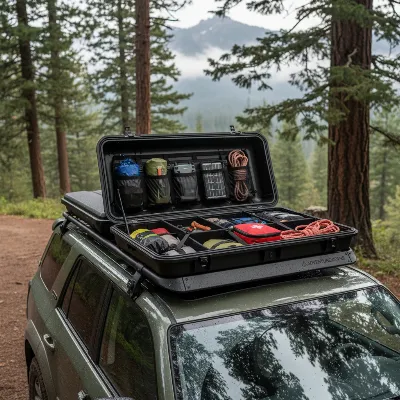 Detailed view of an open roof box on an SUV, showing internal organization
Research Brands and User Reviews
Invest time in researching established brands known for their quality in the overlanding community. Brands like Pelican, Front Runner, Intrepid Camp Gear, Roam, and Yeti have proven track records.
- Reliability: Choose brands with a reputation for robust construction and materials that stand up to harsh conditions.
- Warranty and Support: A good warranty indicates the manufacturer’s confidence in their product.
- User Feedback: Read reviews from other overlanders and off-road enthusiasts. Their real-world experiences can highlight practical pros and cons not found in product descriptions.
Compare Prices and Find Reputable Retailers
Roof boxes, especially those built for overlanding, are an investment. Compare prices across different retailers and prioritize purchasing from reputable sources.
- Value vs. Cost: Don’t always go for the cheapest option. Durability and reliability are key for overlanding, so a higher upfront cost for a quality product can save you money and headaches in the long run.
- Authorized Dealers: Purchase from authorized dealers or directly from the manufacturer to ensure authenticity, warranty coverage, and access to customer support and spare parts.
Installation and Safe Use of a Roof Box for Overlanding
Proper installation and safe usage are paramount to maximizing the benefits of your overlanding roof box and ensuring the safety of your journey.
Correct Installation Steps
Always refer to the manufacturer’s specific instructions, as installation can vary by brand and roof rack system.
- Mount Roof Rack/Platform: Ensure your vehicle has a properly installed and rated roof rack or platform. This is the foundation for your roof box.
- Position the Box: Carefully lift the roof box onto the roof rack. Center it as much as possible for even weight distribution and reduced wind resistance. Ensure it doesn’t obstruct visibility or vehicle openings.
- Attach Securely: Use the provided mounting hardware (clamps, bolts, or straps) to firmly attach the box to the roof rack. Double-check all connections. For overlanding, consider adding extra lashing straps for redundancy, especially on rough trails.
- Test Stability: Once installed, try to shake the roof box. There should be minimal movement. Drive a short distance and re-check all fasteners.
Max Load Capacity and Weight Distribution
Never exceed the maximum load capacity specified by the roof box manufacturer, your roof rack manufacturer, or your vehicle’s owner’s manual. The lowest of these three limits is your absolute maximum.
- Distribute Weight Evenly: Place heavier items at the center of the box, over the strongest part of your roof rack. Lighter items can be placed towards the ends. This helps maintain vehicle stability and reduces stress on the box and rack.
- Secure Contents Internally: Use internal straps, cargo nets, or foam padding to prevent items from shifting inside the box. Shifting cargo can cause damage to the box and affect vehicle handling.
Regular Checks and Maintenance
Routine inspections are crucial for safety and longevity.
- Before Each Trip: Check all mounting hardware for tightness. Inspect the box for cracks, damage, or wear on seals.
- During Long Trips: Periodically re-check mounting bolts, especially after rough terrain, as vibrations can loosen them.
- After Each Trip: Clean the roof box, especially around seals and latches, to remove dirt, mud, and debris. Lubricate moving parts if recommended by the manufacturer. Store the box in a cool, dry place when not in use to prolong its lifespan.
Important Considerations When Using a Roof Box Off-Road
Using a roof box for overlanding introduces specific dynamics and challenges that require mindful driving and planning.
- Impact on Vehicle Dynamics: Adding weight to your roof raises your vehicle’s center of gravity. This can affect handling, especially during cornering, on uneven terrain, or in strong crosswinds. Drive slower and be more cautious than usual. The added weight also increases braking distance.
- Reduced Fuel Efficiency: Any item mounted on your roof will increase aerodynamic drag, leading to a reduction in fuel economy. While less critical at low off-road speeds, it will be noticeable during highway transit sections to and from your destination. Low-profile designs can mitigate this slightly.
- Overhead Clearance: Be acutely aware of your vehicle’s new total height. Low-hanging tree branches, cave entrances, overhead obstacles on trails, or even parking garages can become hazards. Always double-check clearance before proceeding.
- Increased Wind Noise: A roof box will inevitably add some wind noise, particularly at highway speeds. This is usually a minor trade-off for the added storage but can be a factor for long drives.
- Dust and Water Ingress: While overlanding boxes are designed for weather resistance, extreme conditions can test their limits. Periodically check for dust or water ingress, especially if driving through deep water or very fine dust. Ensure seals are clean and intact.
> “The greatest advantage of a dedicated overlanding roof box is the peace of mind it offers – knowing your essential gear is not only protected from the harshest elements but also securely fastened, no matter how challenging the trail gets.” – Alex Miller, Off-Road Equipment Specialist at Reviewutible.com
Conclusion
Equipping your vehicle with the right roof box is a transformative upgrade for any overlanding or off-roading enthusiast. It’s about more than just adding space; it’s about safeguarding your critical gear, enhancing vehicle organization, and ultimately enriching your experience in the wild. By prioritizing durability, weatherproofing, secure mounting, and choosing a box that aligns with your specific adventure needs, you can ensure your equipment is protected against impacts, dust, and water, freeing you to focus on the journey ahead. From rugged plastic cases like Pelican and Front Runner to robust aluminum options from Intrepid, the market offers excellent choices for even the most demanding excursions. Which features will you prioritize to build your ultimate overlanding setup?
Frequently Asked Questions
How do I prevent my roof box from rattling on rough terrain?
To minimize rattling, ensure all mounting hardware is tightened correctly and check it regularly. Internally, use cargo straps, nets, or soft padding around items to prevent them from shifting and vibrating against the box walls. Proper weight distribution also helps.
Are overlanding roof boxes waterproof or just water-resistant?
Most high-quality overlanding Roof Boxes are designed to be highly water-resistant and dustproof, often utilizing robust seals and gaskets. While they can typically withstand heavy rain and splashes, prolonged submersion (like deep water crossings) might test their limits. Always check the manufacturer’s specific IP rating or water resistance claims.