Embarking on a road trip often means packing more than your car’s trunk can comfortably hold. A roof box provides that much-needed extra space, transforming cramped journeys into spacious adventures. But if you’re like many drivers, the thought of adding a large container to your car’s roof immediately brings up concerns about fuel efficiency. The good news? You don’t have to sacrifice economy for capacity. The right aerodynamic roof box can significantly minimize the impact on your gas mileage, allowing you to carry all your gear without constantly worrying about the next fuel stop. This guide will walk you through everything you need to know about choosing and using the most fuel-efficient roof boxes on the market.
What is a Roof Box? Why Do You Need One?
A roof box, also known as a roof cargo carrier, is an enclosed storage unit mounted on your vehicle’s roof, typically secured to a set of roof bars or a roof rack system. Designed from durable materials like ABS plastic or lightweight composites, these units provide invaluable extra cargo space, freeing up your vehicle’s interior for passengers and essential items.
Roof boxes are incredibly versatile, proving indispensable for a variety of situations. They are perfect for family vacations where luggage, outdoor gear, or baby equipment quickly fill the trunk. For camping enthusiasts, a roof box can comfortably accommodate tents, sleeping bags, and cooking equipment. Skiers and snowboarders rely on them to transport long, awkward gear safely and securely. The primary benefits include increased storage capacity, protecting your belongings from weather and theft, and enhancing overall travel convenience by keeping your car’s interior organized and clutter-free.
Popular Roof Box Types on the Market
The market offers a diverse range of roof boxes, each with specific characteristics related to material, size, and design. Understanding these variations is crucial for selecting a model that aligns with your vehicle and travel requirements, especially when prioritizing fuel efficiency.
Roof Box by Material
The material of a roof box directly influences its durability, weight, and often, its price.
- ABS Plastic: This is the most common material due to its excellent balance of strength, impact resistance, and affordability. ABS plastic is lightweight, contributing minimally to your car’s overall weight, which is a key factor in fuel economy. It’s also relatively flexible, making it less prone to cracking.
- Fiberglass: Fiberglass roof boxes are typically more rigid and offer a premium finish. They are highly durable and can withstand extreme weather conditions. While generally heavier than ABS plastic, advancements in composite technology have led to lighter fiberglass options. They tend to be more expensive but offer superior longevity.
- Metal: Less common for passenger car roof boxes, metal options are typically found in heavy-duty or commercial applications. They offer extreme durability and security but come with a significant weight penalty, which negatively impacts fuel efficiency. They are also prone to corrosion if not properly maintained.
|
Our Picks for the Best Roof Box in 2026
As an Amazon Associate I earn from qualifying purchases.
|
||
| Num | Product | Action |
|---|---|---|
| 1 | MeeFar Roof Rack Carrier Basket Universal Rooftop 51" X 36" X 5" + Waterproof Bag 15 Cubic Feet (44" 34" 17"), and Cargo Net with Attachment Hooks, Ratchet Straps |

|
| 2 | Asinking Car Rooftop Cargo Carrier Bag - 100% Waterproof Heavy Duty Car Roof Luggage Carrier 21 Cubic Feet, Fits All Vehicles with/Without Roof Rack - Easy Install & Triply Reinforced for Secure Use |
|
| 3 | iBirdie Roof Rack Cargo Carrier 15.3 Cubic Feet, Soft-Shell Rooftop Cargo Box, Waterproof Heavy Duty 1200D for Car with/Without Roof Rack, Includes Anti-Slip Mat, Door Hooks, 46x34x17 inches |
|
| 4 | Sailnovo Rooftop Cargo Carrier Roof Bag, 20 Cubic feet Waterproof Roof Cargo Carrier fit car with/Without Luggage Rack - Vehicle Soft Shell Roof Cargo Box with Tie-Down Strap, Safety Hook |
|
| 5 | FIVKLEMNZ 21 Cubic Car Rooftop Cargo Carrier Roof Bag Waterproof for All Top of Vehicle with/Without Rack Includes Topper Anti-Slip Mat + Reinforced Straps + 6 Door Hooks + Luggage Lock |
|
| 6 | Pelican Cargo Cases |
|
| 7 | MIDABAO 20 Cubic Waterproof Duty Car Roof Top Carrier-Car Cargo Roof Top Bag, Waterproof & Coated Zippers includes Anti Slip Mat with or without Racks (20 Cubic Feet) |
|
| 8 | iBirdie Roof Rack Cargo Carrier 32.1 Cubic Feet, XXL Soft-Shell Rooftop Cargo Box, Waterproof Heavy Duty 1200D for Car with/Without Roof Rack, Includes Anti-Slip Mat, Door Hooks, 60x37x25 inches |
|
| 9 | Car Rooftop Cargo Carrier Bag, 21 Cubic Feet 100% Waterproof Heavy Duty 840D Car Roof Bag for All Vehicle with/Without Racks - Anti-Slip Mat, 6 Door Hooks, Storage Bags, 2 Extra Straps, Luggage Lock |
|
| 10 | GarveeLife 46" x 36" Universal Roof Rack Cargo Carrier Basket, 200 Lbs Capacity Rooftop Cargo Rack, Car Top Luggage Holder Basket Heavy Duty for SUVs, Trucks, Vehicles |
|
When considering materials for better gas mileage, lightweight ABS plastic or advanced lightweight composites are generally preferred as they add less overall mass to your vehicle.
Roof Box by Size and Volume
Roof boxes come in various sizes and capacities, measured in liters (L) or cubic feet (cu ft). Choosing the right size is paramount for both utility and aerodynamics.
- Small (approx. 300-350L): Ideal for weekend trips, fitting a couple of medium-sized bags or ski boots. These have the least impact on aerodynamics.
- Medium (approx. 360-450L): Suitable for family vacations or camping trips, accommodating a mix of luggage, smaller tents, or a few pairs of skis. This is a popular compromise between space and aerodynamic profile.
- Large (approx. 450-600L+): Best for extended trips or transporting bulky sports equipment like multiple skis (up to 200cm) or large camping gear. While offering maximum space, larger boxes inherently create more drag, making aerodynamic design even more critical.
The ideal capacity depends on your specific needs, but for optimal fuel economy, aim for the smallest box that still meets your storage requirements.
Roof Box by Style and Design
This is where aerodynamics truly comes into play. Modern roof boxes are engineered with specific designs to reduce wind resistance, leading to less noise and improved fuel efficiency.
- Aerodynamic Shapes: Look for boxes with a sleek, streamlined profile, a tapered front, and a low-profile design that hugs the roof of your car. These shapes help the box cut through the air more smoothly, reducing drag. Think of a long, thin, wedge-shaped design over a tall, bulky one.
- Wind Tunnel Testing: Reputable brands invest in rigorous wind tunnel testing to refine their designs, ensuring optimal performance in real-world conditions. This commitment to engineering translates to boxes that effectively minimize air resistance.
- Convenient Features: Beyond aerodynamics, consider features like dual-sided opening for easy access, robust security locks, and quick-mounting systems for hassle-free installation and removal. While these don’t directly impact aerodynamics, they enhance the user experience.
An aerodynamic design not only helps with fuel economy but also contributes to a quieter ride by minimizing wind noise, making long journeys more pleasant.
 An aerodynamic roof box with a sleek, tapered front and low profile on a silver SUV.
Comparison Table of the Best Aerodynamic Roof Boxes Today
Choosing an aerodynamic roof box means looking for models engineered to minimize drag and reduce the impact on your vehicle’s fuel consumption. While many brands offer streamlined designs, some stand out for their exceptional aerodynamic performance and user-focused features. Here’s a comparison of top models known for their efficiency.
| Feature | Thule Motion 3 XL Low | Yakima SkyBox NX XL | Thule Vector Alpine | Inno Wedge 660 |
|---|---|---|---|---|
| Key Aerodynamic Design | Wing-shaped profile, forward-leading nose, low-profile. | Streamlined design, optimized for reduced drag. | Ultra-low profile, sleek, integrated design. | Wedge shape, low height for minimal air resistance. |
| Capacity | 18-21 cu ft (approx. 500-600L) | ~18 cu ft (approx. 510L) | ~11 cu ft (approx. 310L) | ~11 cu ft (approx. 310L) |
| Material | Durable ABS plastic | High-impact ABS plastic | Premium multi-layer ABS with felt lining | ABS plastic |
| Opening | Dual-sided | Dual-sided | Dual-sided | Dual-sided |
| Installation | PowerClick quick-mount system | Tool-free quick-release mounting | PowerClick quick-mount system | Memory Mount system |
| Noise Reduction | Very low wind noise reported | Good, less noisy than bulkier boxes | Excellent due to integrated, low-profile design | Good due to aerodynamic shape |
| Fuel Efficiency Impact | Minimal for its size, highly optimized | Good, especially considering capacity | Very low, designed for efficiency | Low, due to compact and wedge-shaped design |
| Price Range | High | Mid-High | Premium | Mid-Range |
| Best For | Families needing ample space with good aerodynamics | Versatile storage, ease of use, balanced aerodynamics | Performance vehicles, specific gear (skis), ultimate aesthetics and efficiency | Compact cars, moderate storage needs, efficiency focused |
Note: Fuel efficiency impact is relative. All roof boxes will inherently increase drag to some extent, but these models are designed to minimize that increase.
> “The efficiency of a roof box isn’t just about its shape; it’s about the entire system. How it integrates with the vehicle, the quality of its mounting, and even the materials used all play a crucial role in minimizing drag.” – Emily Johnson, Automotive Aerodynamics Expert
Buying Guide: How to Choose the Right Aerodynamic Roof Box
Selecting the perfect aerodynamic roof box involves more than just picking the sleekest design. It requires a thoughtful assessment of your personal needs, vehicle compatibility, and specific features that enhance both performance and convenience.
Determine Your Usage Needs
Before diving into technical specifications, consider how you intend to use the roof box.
- What are you carrying? If it’s mostly skis or snowboards, a longer, narrower, and lower-profile box (like an Alpine style) is ideal. For general luggage, camping gear, or multiple duffel bags, a wider, medium-height box might be more suitable.
- How often will you use it? For frequent use, ease of installation and removal, along with robust durability, become more important. If it’s for occasional long trips, a slightly less premium model might suffice, provided it’s still aerodynamic.
- How many people and what kind of trips? A couple on a weekend getaway might need a smaller box (300-360L), whereas a family of four embarking on a two-week road trip might require a larger capacity (400L+).
Accurately assessing your needs helps you narrow down the vast selection and prioritize features, ensuring you don’t overbuy on size and unintentionally increase drag.
Choose Material and Size Suitable for Your Vehicle
Vehicle compatibility and overall dimensions are critical for both safety and aerodynamics.
- Vehicle Size: Ensure the roof box doesn’t obstruct your vehicle’s rear hatch or extend too far beyond the windshield, which can create additional drag and wind noise. Check manufacturer recommendations for maximum length and width.
- Roof Rack System: Verify that the roof box is compatible with your existing roof bars or rack system. Most modern roof boxes offer universal mounting solutions, but it’s always best to double-check.
- Material Choice: For the best gas mileage, prioritize lightweight but durable materials like ABS plastic. These reduce the overall weight added to your car, which is the second major factor (after aerodynamics) affecting fuel consumption.
A well-fitted roof box, proportionate to your vehicle, looks better and performs more efficiently.
Consider Convenient Features
Beyond the core function, several features can significantly enhance your experience:
- Security: Integrated locking systems are essential for protecting your valuables. Many modern boxes offer multi-point locking mechanisms for enhanced security.
- Opening Mechanism: Dual-sided opening allows for easier loading and unloading from either side of the vehicle, which is particularly useful in tight parking spaces or when accessing specific items.
- Mounting System: Look for quick-mount systems (e.g., Thule PowerClick, Yakima Quick-Release) that allow for tool-free, fast, and secure installation and removal. This encourages you to remove the box when not in use, further saving fuel.
- Waterproofing: Ensure the box is weather-resistant to protect your gear from rain, snow, and dust, keeping your belongings dry and safe.
These features contribute to a stress-free travel experience, making your roof box a convenient and reliable companion.
Research Brands and User Reviews
Investing in a roof box from a reputable brand often means better design, materials, and warranty support. Brands like Thule and Yakima are leaders in the industry, known for their focus on aerodynamics, durability, and user-friendly features.
- Brand Reputation: Look for brands with a proven track record in automotive accessories and a commitment to quality and safety.
- Warranty: A good warranty provides peace of mind, covering potential defects and ensuring long-term reliability.
- User Reviews: Consult online reviews and forums for real-world feedback on specific models. Pay attention to comments regarding wind noise, fuel efficiency impact, ease of installation, and durability over time. These insights can offer a more objective view of a product’s performance.
Learning from the experiences of other users can help you avoid common pitfalls and make a more informed decision.
Compare Prices and Find a Reputable Seller
Roof boxes vary widely in price based on size, brand, material, and features.
- Price Comparison: Shop around! Check prices from multiple retailers, both online and in brick-and-mortar stores, to ensure you’re getting the best deal. Be wary of prices that seem too good to be true, as they might indicate a compromise in quality.
- Trusted Retailers: Purchase from authorized dealers or reputable automotive accessory stores. This ensures you receive an authentic product, valid warranty, and access to customer support if needed.
A little research can save you money and ensure you get a high-quality product that lasts.
Safe Installation and Use of a Roof Box
Even the most aerodynamic roof box won’t perform optimally or safely without proper installation and mindful use. Following these guidelines will ensure your gear, vehicle, and fellow travelers are safe on the road.
Proper Installation Steps
Incorrect installation can lead to increased drag, wind noise, and even dangerous detachment.
- Mount Roof Bars: Ensure your vehicle has a compatible roof rack system (crossbars) correctly installed according to the vehicle and rack manufacturer’s instructions.
- Position the Box: Carefully lift the roof box onto the installed crossbars. Position it centrally, ensuring it doesn’t obstruct the rear hatch from opening fully and is not too far forward to impede visibility. Many boxes offer adjustability for optimal placement.
- Secure the Clamps: Use the roof box’s integrated quick-mount system (e.g., PowerClick, U-bolts) to securely fasten it to the crossbars. Listen for any “clicks” or visual indicators that confirm proper tightening.
- Test for Security: Give the box a firm shake. It should feel stable and not wobble. Before driving, perform a short test drive at low speeds to listen for unusual noises or signs of instability, then re-check the mounting.
Always refer to the specific installation manual provided by your roof box manufacturer for detailed, model-specific instructions.
Maximum Load Capacity
Every roof box has a specified maximum load capacity, typically ranging from 50 kg to 75 kg (110 lbs to 165 lbs). This limit applies to the weight of the contents plus the weight of the roof box itself.
- Never exceed this limit. Overloading can strain the roof box, roof bars, and your vehicle’s roof, leading to structural damage or a dangerous situation on the road.
- Consider your vehicle’s roof load limit. Your car also has a maximum permissible roof load, which includes the weight of the roof bars, the roof box, and its contents. Always adhere to the lower of the two limits (roof box or vehicle).
Arranging Items Safely
How you pack your roof box significantly affects stability and handling.
- Distribute Weight Evenly: Place heavier items at the center of the box, directly over the vehicle’s roof bars, to maintain a low center of gravity.
- Secure Contents: Use tie-down straps or cargo nets inside the box to prevent items from shifting during transit. Loose items can bang around, causing damage to the box and your belongings, and potentially shifting the vehicle’s weight.
- Fill Empty Spaces: Use soft items like towels or clothing to fill any gaps, further securing contents and reducing internal movement.
Regular Inspection and Maintenance
Proper maintenance extends the life of your roof box and ensures safe operation.
- Before Each Trip: Check all mounting points for tightness, inspect the box for any signs of damage (cracks, loose hinges), and ensure the locking mechanism works correctly.
- After Use: Clean the roof box with mild soap and water, especially after exposure to road salt or harsh weather.
- Storage: When not in use, remove the roof box (and ideally the roof bars too) and store it in a cool, dry place away from direct sunlight. This preserves its materials and restores your vehicle’s original aerodynamics.
 A modern car with a sleek, aerodynamic roof box driving on a highway, seen from a dynamic side angle during sunset.
Important Notes When Using a Roof Box
Using a roof box changes your vehicle’s dynamics and dimensions. Being aware of these crucial factors can prevent accidents and unexpected inconveniences.
- Adhere to Speed Limits: Most roof box manufacturers recommend a maximum speed, typically around 80 mph (130 km/h). Exceeding this speed can increase noise, vibration, and significantly impact the structural integrity of the box under high wind loads. Moreover, aerodynamic drag increases exponentially with speed, meaning driving faster disproportionately consumes more fuel. Optimal highway speeds for balancing time and fuel consumption are often between 55-65 mph (90-105 km/h).
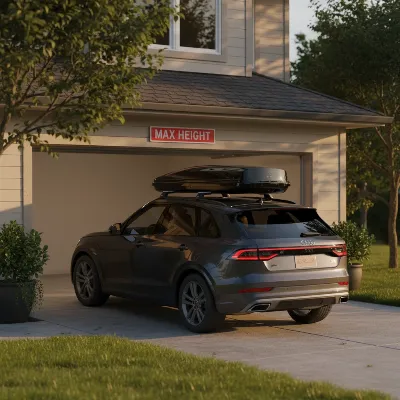
- Be Aware of Vehicle Height: A roof box adds considerable height to your vehicle. Always be mindful of height restrictions when entering multi-story car parks, drive-thrus, low bridges, or ferries. It’s a good practice to measure your vehicle’s total height with the roof box installed and keep this measurement handy.
- Pre-Trip Checks: Before every journey, no matter how short, perform a thorough check. Ensure the roof box is securely fastened, all locks are engaged, and the contents are properly secured inside. A quick visual inspection can prevent major issues.
- Driving Dynamics: Expect slight changes in your vehicle’s handling, especially in crosswinds or during cornering, due to the higher center of gravity and increased surface area exposed to wind. Drive cautiously and adjust your speed as needed.
- Fuel Economy Impact: Even the most aerodynamic roof box will have some effect on your fuel economy. Studies suggest a reduction anywhere from 5% to 15%, and up to 25-30% depending on various factors. Being aware of this allows you to budget for fuel more accurately and encourages mindful driving habits to mitigate the impact.
By keeping these points in mind, you can enjoy the convenience of your roof box with peace of mind.
Conclusion
An aerodynamic roof box is an invaluable accessory for anyone seeking expanded cargo capacity without severely compromising their vehicle’s fuel efficiency. By carefully selecting a model with a streamlined design, choosing appropriate materials, and adhering to safe installation and driving practices, you can significantly mitigate the increase in drag and maintain better gas mileage on your journeys. Remember to consider your specific needs, compare top-performing models like the Thule Motion 3 or Yakima SkyBox NX, and always remove the box when it’s not in use to maximize efficiency. With the right roof box, every road trip can be more organized, secure, and economical. What adventures will your perfectly chosen aerodynamic roof box enable you to embark on next?
Câu Hỏi Thường Gặp
Do all roof boxes significantly reduce gas mileage?
Not all roof boxes have the same impact on gas mileage. While any object on your roof will increase drag, aerodynamic roof boxes are specifically designed with sleek, low-profile, and tapered shapes to minimize wind resistance, thereby reducing their negative effect on fuel efficiency compared to bulky, less streamlined options. The impact can vary from 5% to 30%, largely depending on the box’s design and your driving speed.
How much fuel can an aerodynamic roof box save compared to a standard one?
An aerodynamic roof box can save a noticeable amount of fuel compared to a less aerodynamic, bulkier model, especially on highway drives. While specific savings vary, a well-designed aerodynamic box minimizes drag significantly, often reducing the fuel economy penalty by several percentage points. This translates to fewer trips to the gas station and lower overall travel costs over long distances.
Are there specific features that make a roof box more aerodynamic?
Yes, several key features contribute to a roof box’s aerodynamics. Look for a sleek, low-profile design that sits close to your vehicle’s roof, a tapered or wedge-shaped front that helps cut through the air, and a smooth, uninterrupted surface. Many top brands also utilize wind tunnel testing during development to ensure optimal airflow and minimal drag.
Is it better to put heavy items in the car or the roof box for fuel efficiency?
For optimal fuel efficiency and vehicle stability, it is generally better to place heavier items inside the car, low in the trunk or cargo area. A roof box should be used for lighter, bulkier items. Placing heavy items on the roof raises your vehicle’s center of gravity and increases overall weight, which can worsen handling and significantly impact fuel consumption more than if they were stored inside.
Should I remove my aerodynamic roof box when not in use?
Absolutely. Even the most aerodynamic roof box will still create some drag, and therefore consume extra fuel, even when empty. Removing your roof box (and even the roof bars if they’re not aero-wing shaped) when not needed restores your vehicle’s original aerodynamics, preventing unnecessary fuel consumption and also extending the lifespan of your Roof Box.