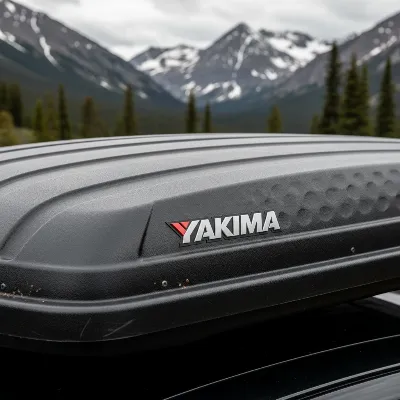
Planning your next road trip or outdoor adventure often brings the challenge of fitting all your gear into your vehicle. From camping equipment to sports essentials, maximizing space without compromising passenger comfort is key. This is where a reliable rooftop cargo box becomes an invaluable asset, transforming your car’s storage capabilities and ensuring everything you need comes along for the ride. Among the myriad options available, the SportRack Vista XL Cargo Roof Box has consistently emerged as a compelling choice for those seeking ample space and dependable performance without breaking the bank. In this comprehensive review, we’ll dive deep into the 2026 model, exploring its features, benefits, and how it stacks up against the competition, alongside a complete buying guide to help you choose the perfect roof box for your lifestyle.
What is a Roof Box? Why Do You Need One?
A roof box, also known as a rooftop cargo carrier or luggage box, is an enclosed storage container that attaches to your vehicle’s roof rack system, providing additional space for luggage and equipment. It serves as an external trunk, significantly increasing your car’s carrying capacity and keeping your interior clutter-free.
These versatile accessories are perfect for a variety of situations, including family holidays, camping trips, ski vacations, or simply transporting bulky items that won’t fit inside your vehicle. Imagine packing all your camping gear, skis, or strollers without sacrificing passenger legroom or obstructing your rear view. A roof box makes this possible, offering a secure, weather-protected compartment for your belongings. The benefits extend beyond just extra space; roof boxes can also improve safety by keeping loose items from flying around the cabin in an accident and maintaining clear visibility through your rear window.
Popular Roof Box Types on the Market
The market offers a diverse range of roof boxes, each designed to meet specific needs in terms of material, size, and design. Understanding these variations is crucial for making an informed choice.
Roof Boxes by Material
The primary materials used in roof box construction are typically ABS plastic and fiberglass, each with distinct advantages and disadvantages.
- ABS Plastic: Acrylonitrile Butadiene Styrene (ABS) plastic is a common material for roof boxes, known for its durability and resistance to UV rays. The SportRack Vista XL, for instance, is crafted from robust, UV-resistant ABS plastic, making it a resilient choice for various weather conditions. ABS plastic boxes are generally lighter, contributing to easier installation and removal. While they offer good protection, budget-friendly ABS boxes might exhibit some flex, particularly when empty or during aggressive maneuvers.
- Fiberglass: Fiberglass roof boxes are typically stiffer and offer enhanced resistance to flex, wind, and snow loads. They often come with reinforced bases and internal ribs, which can improve latch alignment and sealing over time. These models usually sit at a higher price point due to their increased rigidity and premium feel.
|
Our Picks for the Best Roof Box in 2026
As an Amazon Associate I earn from qualifying purchases.
|
||
| Num | Product | Action |
|---|---|---|
| 1 | FIVKLEMNZ 21 Cubic Car Rooftop Cargo Carrier Roof Bag Waterproof for All Top of Vehicle with/Without Rack Includes Topper Anti-Slip Mat + Reinforced Straps + 6 Door Hooks + Luggage Lock |

|
| 2 | GarveeLife 46" x 36" Universal Roof Rack Cargo Carrier Basket, 200 Lbs Capacity Rooftop Cargo Rack, Car Top Luggage Holder Basket Heavy Duty for SUVs, Trucks, Vehicles |
|
| 3 | Asinking Car Rooftop Cargo Carrier Bag - 100% Waterproof Heavy Duty Car Roof Luggage Carrier 21 Cubic Feet, Fits All Vehicles with/Without Roof Rack - Easy Install & Triply Reinforced for Secure Use |
|
| 4 | iBirdie Roof Rack Cargo Carrier 32.1 Cubic Feet, XXL Soft-Shell Rooftop Cargo Box, Waterproof Heavy Duty 1200D for Car with/Without Roof Rack, Includes Anti-Slip Mat, Door Hooks, 60x37x25 inches |
|
| 5 | Pelican Cargo Cases |
|
| 6 | Sailnovo Rooftop Cargo Carrier Roof Bag, 20 Cubic feet Waterproof Roof Cargo Carrier fit car with/Without Luggage Rack - Vehicle Soft Shell Roof Cargo Box with Tie-Down Strap, Safety Hook |
|
| 7 | iBirdie Roof Rack Cargo Carrier 15.3 Cubic Feet, Soft-Shell Rooftop Cargo Box, Waterproof Heavy Duty 1200D for Car with/Without Roof Rack, Includes Anti-Slip Mat, Door Hooks, 46x34x17 inches |
|
| 8 | MIDABAO 20 Cubic Waterproof Duty Car Roof Top Carrier-Car Cargo Roof Top Bag, Waterproof & Coated Zippers includes Anti Slip Mat with or without Racks (20 Cubic Feet) |
|
| 9 | Car Rooftop Cargo Carrier Bag, 21 Cubic Feet 100% Waterproof Heavy Duty 840D Car Roof Bag for All Vehicle with/Without Racks - Anti-Slip Mat, 6 Door Hooks, Storage Bags, 2 Extra Straps, Luggage Lock |
|
| 10 | MeeFar Roof Rack Carrier Basket Universal Rooftop 51" X 36" X 5" + Waterproof Bag 15 Cubic Feet (44" 34" 17"), and Cargo Net with Attachment Hooks, Ratchet Straps |
|
When comparing durability, ABS plastic provides a sturdy, weather-resistant shell, while fiberglass often offers a more rigid, premium construction. The choice often comes down to balancing budget with desired long-term stiffness and overall feel.
Roof Boxes by Size and Capacity
Roof boxes come in a range of sizes and capacities, tailored to different vehicles and cargo requirements.
- Small (Compact): Ideal for smaller cars or those needing to carry a couple of suitcases or camping essentials for shorter trips. These are streamlined to minimize overhang and maintain stability.
- Medium: A versatile option suitable for a wider range of vehicles and uses, providing a good balance of capacity and aerodynamics.
- Large (Spacious): Designed for SUVs, vans, or larger vehicles, these boxes offer significant volume for family holidays, multiple sets of skis, snowboards, or bulky camping equipment. The SportRack Vista XL falls into this category with a generous 18 cubic feet of storage, capable of accommodating substantial gear like golf clubs or strollers. This large capacity is a standout feature for its price.
Selecting the right size depends on your vehicle’s dimensions, the amount of gear you typically carry, and whether you need space on your roof bars for other accessories like bike carriers. It’s crucial to ensure the box’s length and width don’t interfere with your vehicle’s hatch or extend too far beyond the front windshield.
Roof Boxes by Style and Design
Beyond material and size, the design and features of a roof box contribute significantly to its usability and aerodynamic performance.
- Aerodynamic Shapes: Many modern roof boxes feature sleek, aerodynamic contours designed to reduce wind resistance, minimize noise, and improve fuel efficiency. While the SportRack Vista XL includes angled contours for this purpose, some reviews suggest its higher profile makes it less aerodynamic than premium, low-profile alternatives, potentially leading to more wind noise and a slight impact on fuel economy.
- Opening Mechanisms:
- Rear-Opening: The SportRack Vista XL uniquely features a rear-opening lid. Proponents find this advantageous for loading away from traffic, especially when parked on the side of a busy road, and it can facilitate access if you can step onto a rear bumper.
- Side-Opening (Single or Dual): Many premium boxes offer single or dual-sided access, allowing you to load and unload from either side of the vehicle. Dual-sided access is often considered more convenient for accessing gear regardless of parking situation.
- Security Features: Most roof boxes include an integrated locking system to secure contents. The Vista XL comes with a basic single rear lock and keys. Premium models may offer multi-point or central locking systems for enhanced security.
- Mounting Systems: Installation methods vary. Budget-friendly options like the SportRack Vista XL often use a tool-free U-bolt mounting system, which is generally straightforward but might require more manual tightening of interior knobs. Higher-end boxes might feature quick-mount claw grips or T-slot hardware for faster, sleeker installation and removal.
SportRack Vista XL Cargo Roof Box Test 2026: An In-Depth Look
The SportRack Vista XL Cargo Roof Box continues to be a top contender in the budget-friendly segment for 2026. Here’s a detailed breakdown based on recent tests and user feedback:
| Feature | SportRack Vista XL
This review will detail the SportRack Vista XL’s features, performance in 2026 tests, and user feedback to provide a comprehensive picture of its value.
- Capacity and Dimensions: The Vista XL boasts an impressive 18 cubic feet of storage, making it exceptionally spacious for a budget-friendly option. Its dimensions (approximately 63″ L x 38″ W x 19″ H) provide ample room for bulky items that typically struggle to fit inside a vehicle, such as golf clubs, multiple duffel bags, or even large strollers. This capacity often doubles a car’s interior cargo space, proving highly beneficial for extended trips.
- Material and Durability: Constructed from durable, UV-resistant ABS plastic, the Vista XL is built to endure various weather conditions without fading or cracking. While some tests have noted a degree of flex at the hinges when the box is open, the unit feels solid and secure once closed. It consistently performs well in keeping contents dry, even through intense sun and rain, showcasing its reliable waterproofing capabilities once locked.
- Opening Mechanism: A defining characteristic of the Vista XL is its rear-opening design. This feature offers a unique advantage by allowing safe loading and unloading away from busy traffic, as you can access your gear from the rear of the vehicle. However, some users, particularly those with taller vehicles without a rear bumper to stand on, might find reaching deeper into the box challenging compared to side-opening models.
- Installation: Installation of the SportRack Vista XL is designed to be tool-free and straightforward. It utilizes a quick-release U-bolt mounting system that attaches to most factory, square, and round roof rack crossbars. While generally easy, some reviewers indicate that securing the interior knobs of the U-bolts requires a bit of focus. The process typically takes around 15-20 minutes for a single person, though two people are recommended due to its bulky shape.
- Aerodynamics and Noise: The Vista XL features angled contours intended to reduce drag and improve aerodynamics. However, its higher profile compared to more premium, sleeker boxes can lead to increased wind noise, especially at highway speeds, and a slight impact on fuel efficiency. For budget-conscious travelers, this trade-off for ample space is often acceptable.
- Security: The box comes equipped with a basic single rear lock, including two keys, to keep your belongings secure. While functional for general deterrence, it’s considered less advanced than the multi-point or central locking systems found on higher-priced competitors.
- Value Proposition: The SportRack Vista XL stands out as an excellent value proposition. Priced significantly lower than many premium cargo boxes, it offers comparable capacity and reliable protection for your gear. It’s consistently praised as a “best budget” option, making it an attractive choice for those who need substantial extra storage for occasional to frequent use without a premium price tag.
“The SportRack Vista XL delivers exceptional storage volume at a price point that’s hard to beat. While it may not have all the bells and whistles of its premium counterparts, its robust build and practical design make it a standout for adventurers on a budget.” – Admin, Reviewutible.com
 SportRack Vista XL cargo roof box mounted on a silver SUV, parked by a scenic lake, illustrating adventure and utility.
Buying Guide: How to Choose the Right Roof Box
Selecting the perfect roof box involves careful consideration of several factors to ensure it meets your needs and is compatible with your vehicle.
Determine Your Usage Needs
Start by clarifying what you intend to carry and how often you’ll use the roof box.
- Purpose: Are you planning family vacations, camping trips, ski holidays, or do you need to transport specialized equipment like fishing rods or strollers? Different activities demand different sizes and features.
- Capacity: Estimate the volume of gear you need to carry. For example, skis and snowboards require longer boxes, while camping gear or multiple suitcases benefit from wider and taller options. The Vista XL’s 18 cubic feet is ideal for bulky items.
Choose the Right Material and Size for Your Vehicle
Compatibility with your vehicle is paramount for safety and optimal performance.
- Vehicle Size: Smaller cars might require more compact or narrower boxes to avoid excessive overhang, which can hinder hatch access or cause stability issues. Larger vehicles like SUVs and vans can typically accommodate wider and longer boxes.
- Roof Rack Compatibility: Ensure your vehicle has crossbars (factory-installed or aftermarket) that are compatible with the roof box’s mounting system. The SportRack Vista XL fits most common rack types (square, round, and many factory aero bars), but always check your crossbar spread measurements against the box’s requirements. For the Vista XL, your crossbars must be positionable at specific distances (e.g., 25 3/4, 27 3/4, or 29 3/4 inches).
- Material Choice: Consider ABS plastic for a lighter, budget-friendly, and durable option like the SportRack Vista XL, or fiberglass for a stiffer, more rigid construction if your budget allows.
Consider Practical Features
Look for features that enhance convenience, security, and performance.
- Locking System: A secure locking system is crucial for protecting your valuables. The Vista XL’s basic rear lock is functional, but premium options may offer more advanced security.
- Mounting Hardware: Quick-release, tool-free systems simplify installation and removal. The Vista XL excels here with its straightforward U-bolt setup.
- Access: Decide if a rear-opening box like the Vista XL suits your loading preferences or if a dual-sided opening would be more convenient for your typical parking and access scenarios.
- Weather Resistance: Ensure the box is weatherproof and watertight to protect contents from rain, snow, and road grime. The Vista XL is known for keeping contents dry.
Research Brands and User Reviews
Reputable brands often offer better warranty and customer support. User reviews provide invaluable real-world insights into a product’s performance and potential drawbacks.
- Brand Reputation: Stick to well-known brands that have a history of producing quality roof boxes.
- Customer Feedback: Pay attention to common praise and complaints. For the SportRack Vista XL, many users highly recommend it for its capacity and value, though some note the rear opening can be awkward and a minimal impact on fuel efficiency.
Compare Prices and Purchase from Reliable Retailers
Finally, compare prices from various vendors and choose a trusted retailer.
- Price Comparison: Shop around to find the best deal, but be wary of prices that seem too good to be true.
- Authorized Dealers: Purchase from authorized dealers to ensure you receive a genuine product with a valid warranty.
Installing and Safely Using Your Roof Box
Proper installation and mindful usage are critical for the safety of your cargo, your vehicle, and other road users.
Step-by-Step Installation
Before installing your roof box, ensure your vehicle has a compatible roof rack system already in place.
- Clean Roof Rails and Crossbars: Wipe down your vehicle’s roof rails and crossbars to ensure a clean, secure mounting surface.
- Position Crossbars (if not fixed): Align your crossbars according to your vehicle’s manual or the roof box’s specifications. For the SportRack Vista XL, specific crossbar spreads are required. Use a tape measure to ensure they are parallel and centered.
- Place the Roof Box: With a helper if available, carefully lift the SportRack Vista XL onto the crossbars. Center it side-to-side and ensure the front of the box faces the vehicle’s front. Leave a minimum of 2 inches of space between the box and your vehicle’s rear hatch or windshield to prevent interference when opening.
- Secure the Mounting Hardware: Utilize the tool-free U-bolt mounting kit provided with the Vista XL. Position the U-bolts around the crossbars and through the designated holes in the box’s floor. Attach the quick-release hardware (knobs) from inside the box and tighten them securely.
- Double-Check All Fasteners: Go around the entire box and firmly retighten all U-bolts and check the lock. Gently rock the box to confirm it’s stable and does not wobble.
Important Usage Tips
- Respect Load Limits: Never exceed the maximum weight capacity specified for your Roof Box, your roof rack, or your vehicle’s roof. For the SportRack Vista XL, this is typically between 100-150 lbs, but always refer to your specific owner’s manual for the most accurate limits.
- Distribute Weight Evenly: Place heavier items in the center of the box, directly between the crossbars, and distribute the remaining weight evenly towards the front and back. Avoid piling all heavy items on one side. This helps maintain vehicle stability and handling.
- **Secure